
No Filler! — Collagen Volumizing InjectionCollagen Volume Thread COVA | Deep Nasolabial Folds, Smooth Face Line

Collagen Volume Thread COVA | Deep Nasolabial Folds, Smooth Face Line
Collagen Volume Thread COVA, which uses PDO volume threads to induce collagen production in the skin! Instead of filling with external substances, collagen forms around the threads, naturally supporting sunken areas and improving skin elasticity. The formed collagen supports the skin structure, creating a more natural face line, and reduces an artificial look. Additionally, with relatively little change in shape, it helps maintain stable volume over time. *VAT separate
Options
Treatment Details


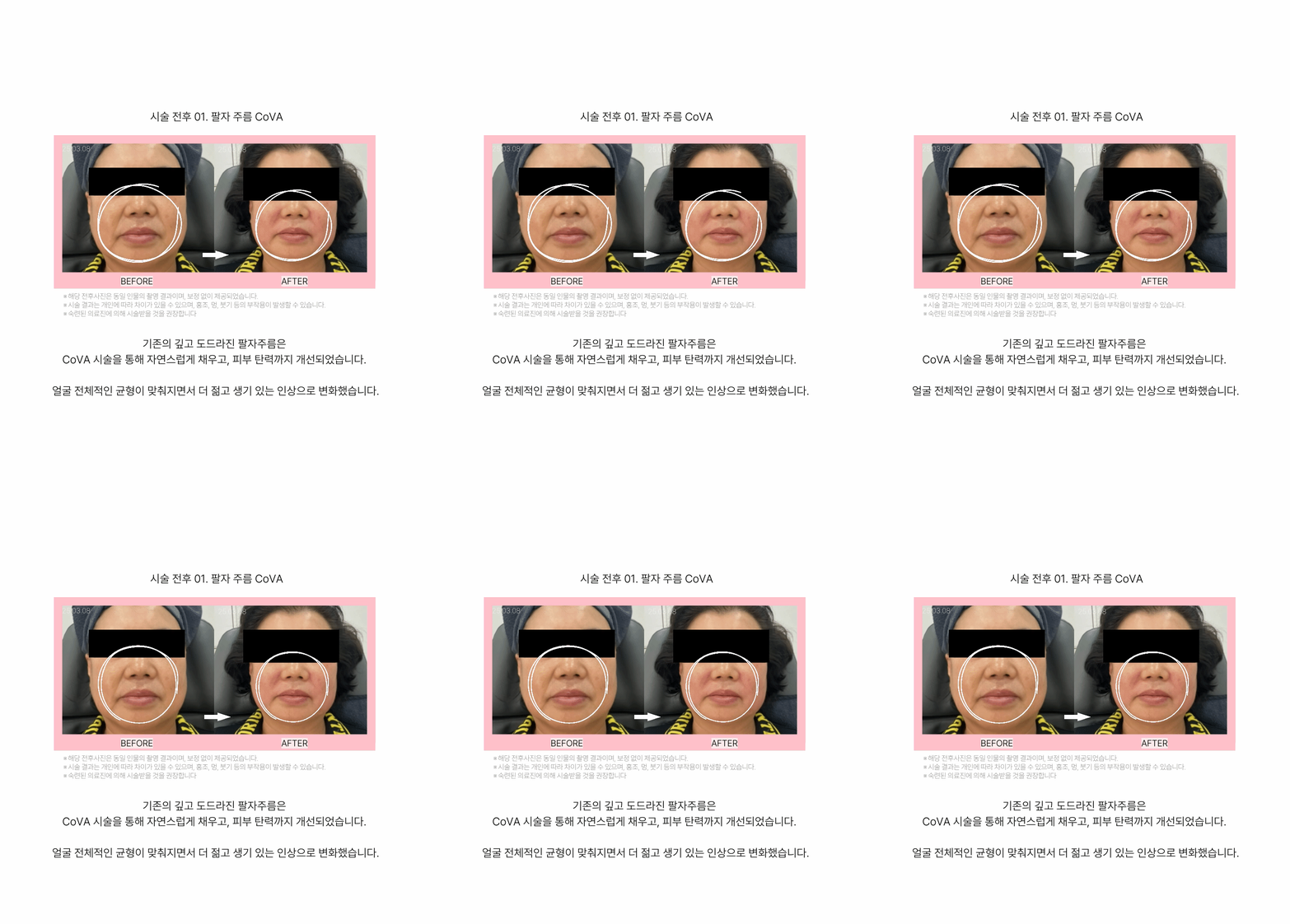
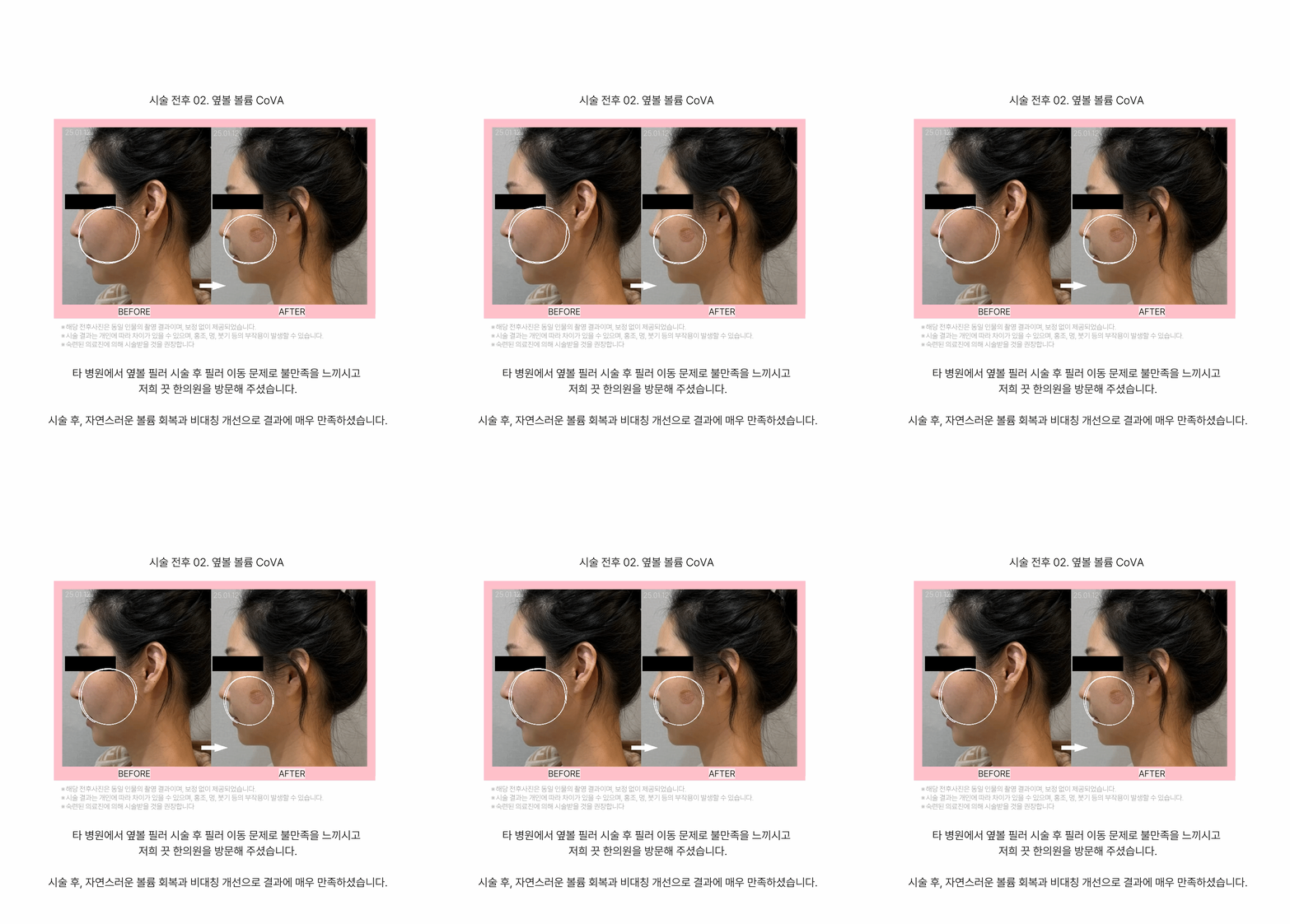
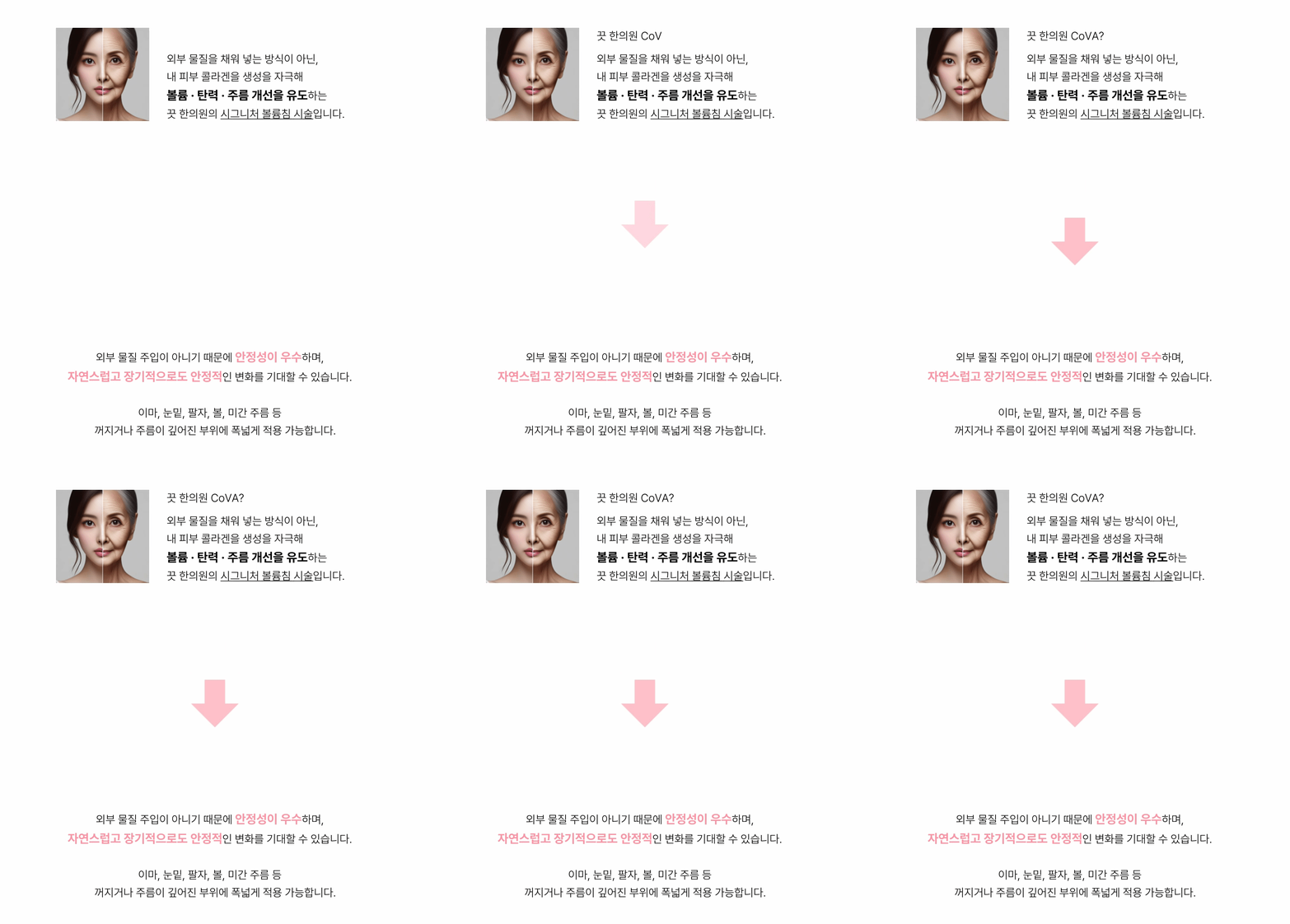
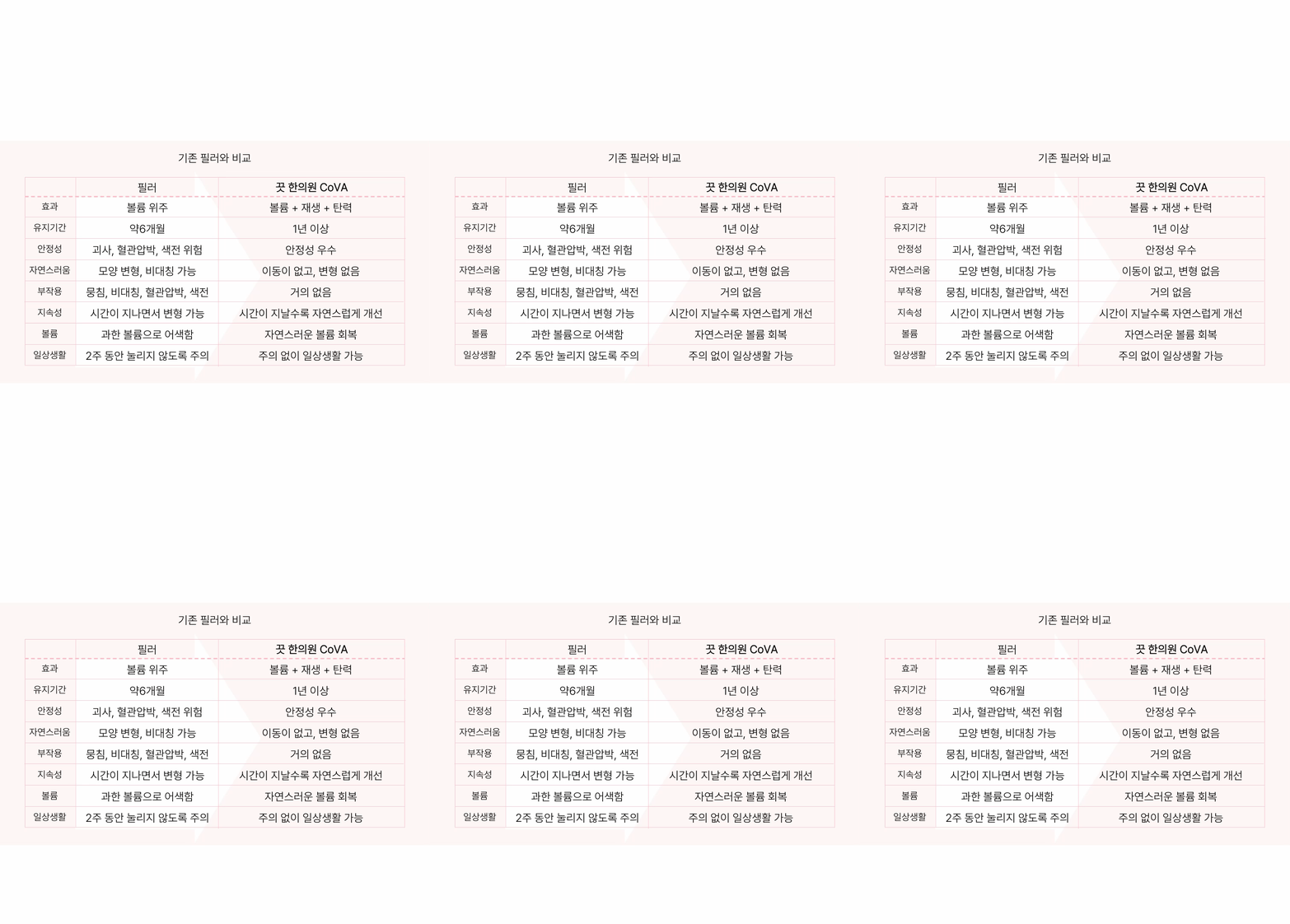

COVA: Understanding Collagen Volume Treatment
Typical filler procedures involve injecting
a gel-like substance to create volume.
In contrast, COVA helps the skin's regenerative capacity and promotes collagen production, encouraging natural volume replenishment.
Over time, you can expect the skin to naturally develop its own volume.
After filler procedures, there is sometimes a possibility of clumping or migration of the injected substance.
However, COVA is gradually absorbed into the skin and works uniformly, which can alleviate such concerns.
COVA's primary component is PDO, which gradually breaks down in the body.
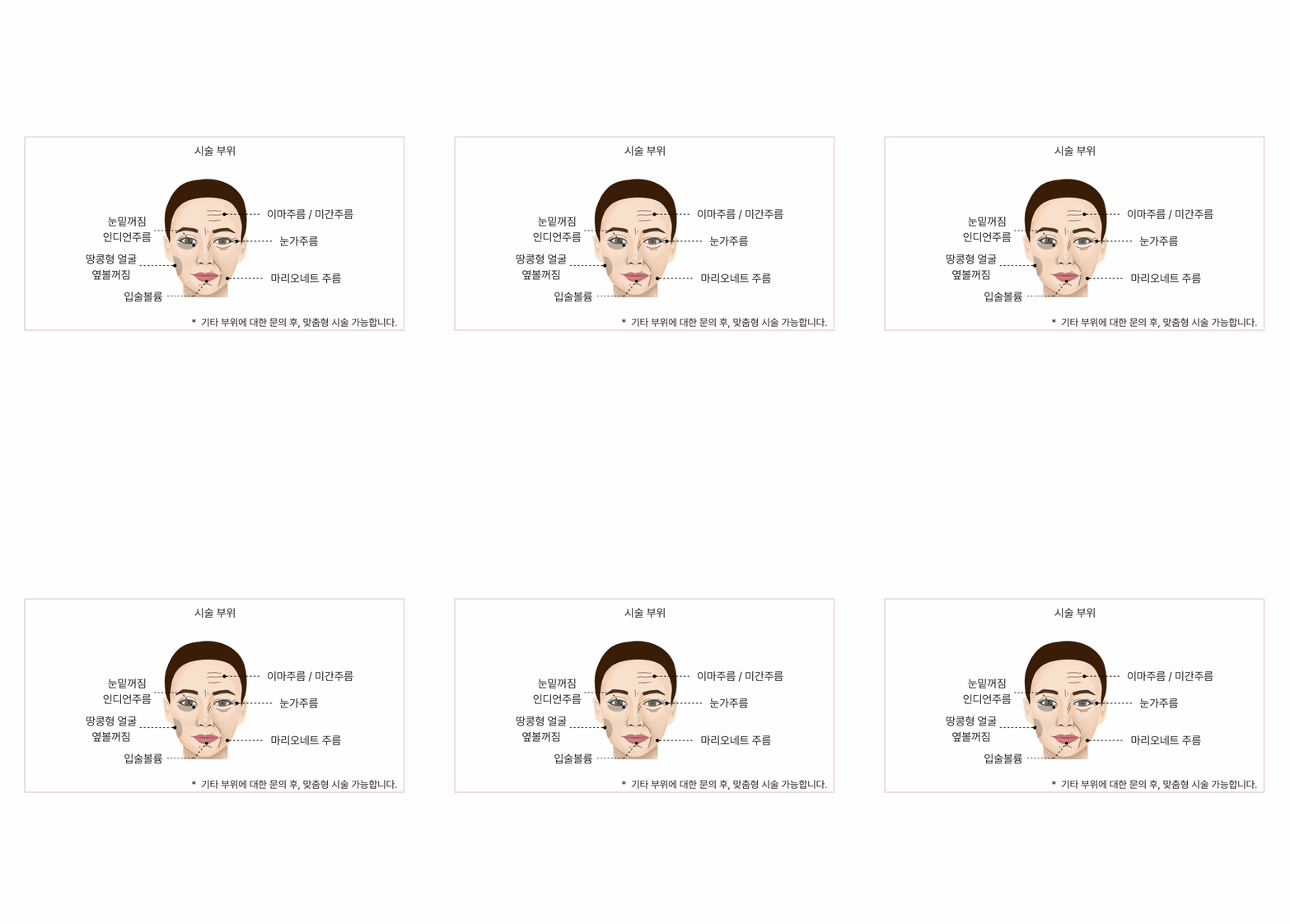
When filler procedures are applied to delicate areas like around the eyes or mouth,
where the skin is thin,
there can sometimes be a risk of visible treatment marks or excessive volume.
In contrast, COVA can be applied to thin-skinned areas with consideration for subtle volume improvement.
Specific side effects such as vascular occlusion or embolism, which are rarely reported in filler procedures, have not been observed with COVA to date.
This can be a relatively safer option.
Compared to Juvlook Volume treatments or other collagen injection procedures,
COVA, with its added physical support, can provide a more distinct initial feeling of volume.
Procedure Process
See each step, from your first consultation to completion.
- 01
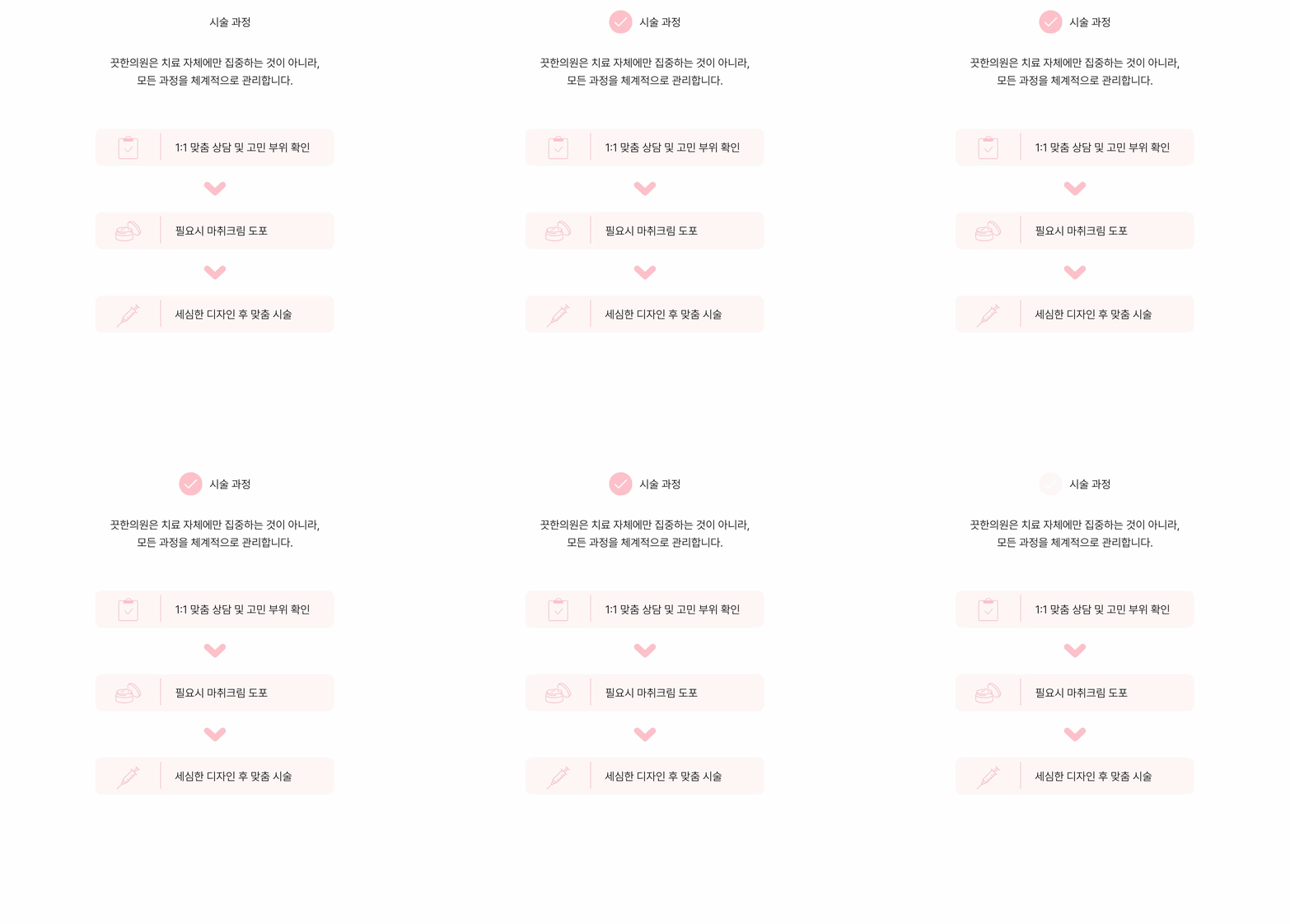
1:1 consultation considering individual's condition
- 02
Application of anesthetic cream for comfort in the treated area
- 03
Custom design personally performed by the director
- 04
Delicate procedure performed by experienced medical staff
- 05
Application of finishing cream to help soothe the skin after the procedure
Treatment Basics
Treatment time, anesthesia, recovery and how long results last, at a glance.
TIME
10-20 minutes per area
ANESTHESIA
Anesthetic cream (15-30 minutes)
RECOVERY
Immediate return to daily life
DURATION
Over 1 year
Ideal For
One Fine Difference makes real results.
- KKEUT POINT 01
Those who feel their facial features appear bland due to reduced volume in specific areas of the face.
- KKEUT POINT 02
Those who are concerned about gradually deepening nasolabial folds (smile lines).
Q&A
Answers to the questions we hear most.
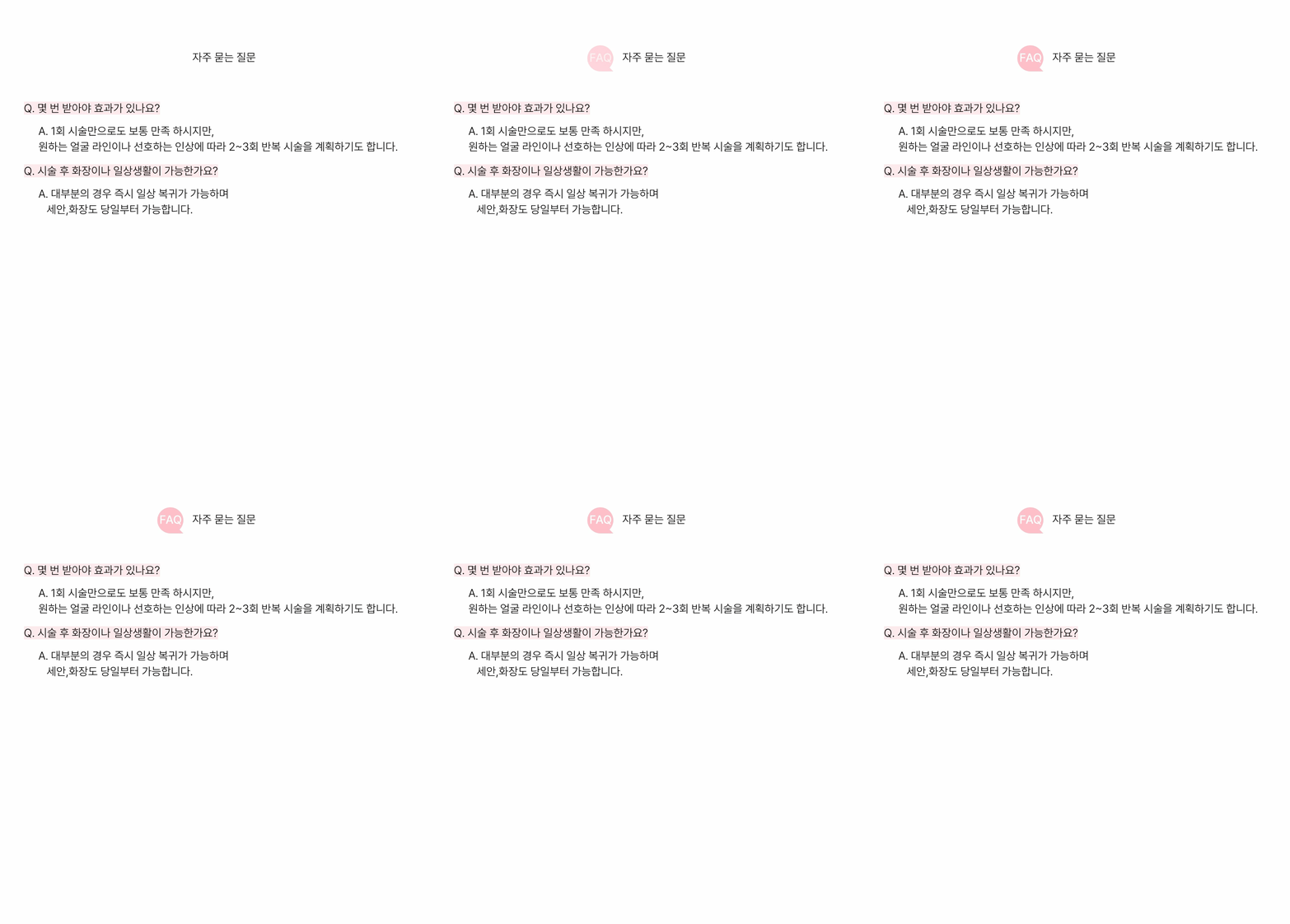
How many sessions are needed to see results?

Most people can feel a significant change with just one session, but for more delicate line improvement or depending on personal preference, 2-3 additional sessions can be considered.
Can I resume daily activities immediately after the procedure?
Generally, you can resume normal daily activities immediately after the procedure. Washing your face or light makeup is fine from the day of the procedure.
How long do the results last?
There may be individual differences depending on skin condition and lifestyle. Generally, the improvement effect of [Collagen Volume Thread COVA] is expected to last for more than 1 year after the procedure.
Cautions
Results = Treatment × Aftercare. Please follow the notes below.
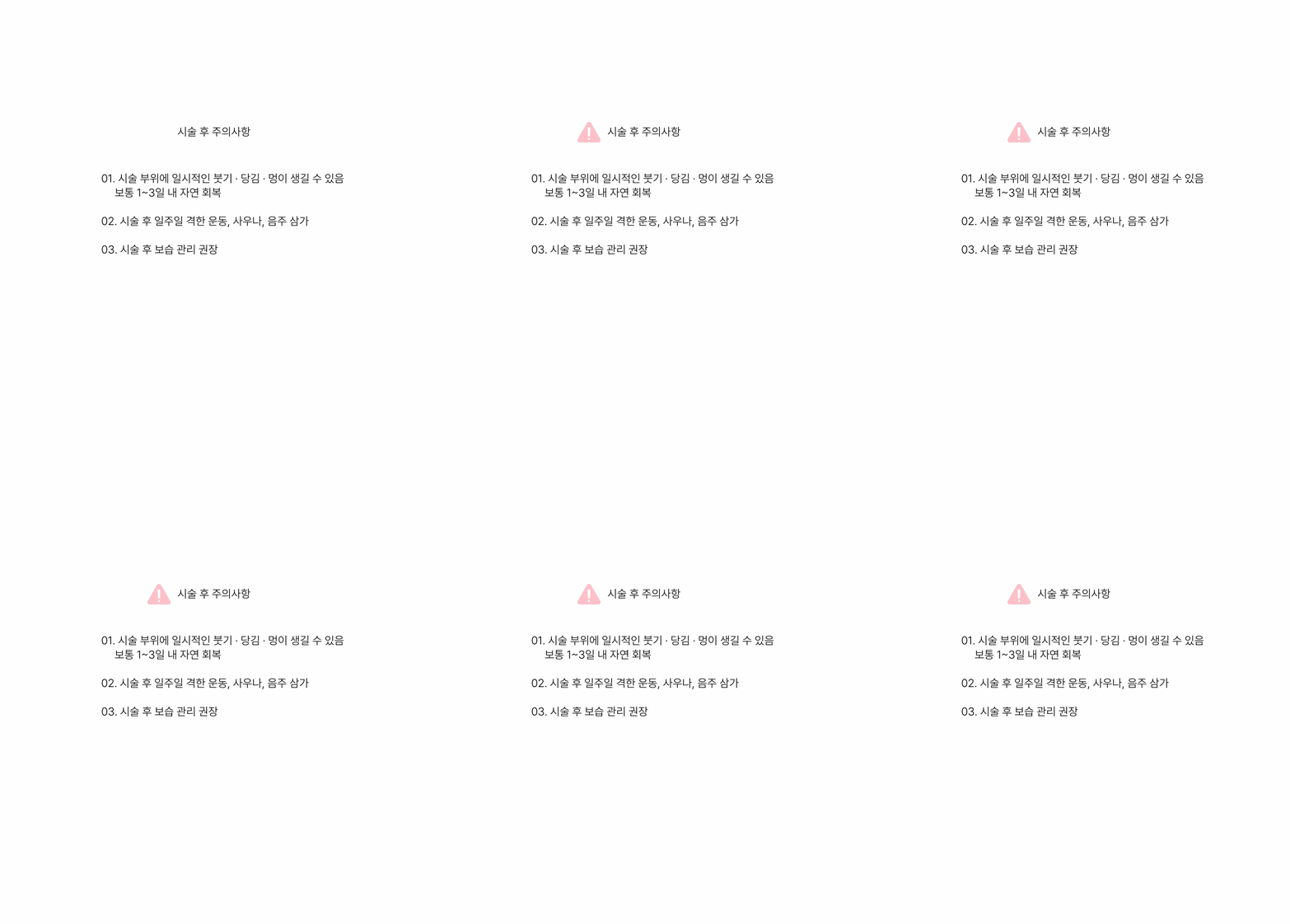
Temporary swelling, a pulling sensation, or small bruises may appear in the treated area. These phenomena usually tend to subside on their own within 1 to 3 days.
It is recommended to refrain from alcohol consumption, smoking, visiting high-temperature saunas, and strenuous exercise for about a week from the date of the procedure.
Please note that products with a scrub texture that can irritate the skin should not be used for 7 days after the procedure.
It is advisable to avoid applying strong direct pressure or severe irritation to the treated area.